Are you looking for an effective way to engage with your audience and drive sales? Look no further than newsletter marketing! In this article, we will explore the power of newsletter marketing and how it can help your business thrive. From building customer loyalty to increasing brand awareness, you’ll discover the benefits of this strategy and gain valuable insights on how to implement it successfully. Whether you’re a small business owner or a marketing professional, this article is packed with practical tips to supercharge your newsletter marketing strategy. Get ready to connect with your audience like never before!
1. Setting Goals
Setting clear and specific goals is the first step in creating an effective newsletter marketing strategy. The success of your newsletter relies on understanding your target audience, defining objectives, and determining key metrics to measure your performance.
Identifying target audience
To create a successful newsletter, you need to identify and understand your target audience. Consider their demographics, interests, and needs. By knowing who your audience is, you can tailor your content to resonate with them and provide value.
Defining objectives
What do you want to achieve with your newsletter? It could be increasing brand awareness, driving website traffic, generating leads, or boosting sales. Clearly define your objectives so that you can align your content, design, and distribution strategies accordingly.
Determining key metrics
To measure the effectiveness of your newsletter, it’s important to determine key metrics to track and analyze. This may include open rates, click-through rates, conversion rates, and customer engagement. By monitoring these metrics, you can gain insights into what works and make data-driven improvements.
2. Designing the Newsletter
A well-designed newsletter is visually appealing, easy to navigate, and provides valuable content. Here are some important considerations when designing your newsletter:
Choosing a layout
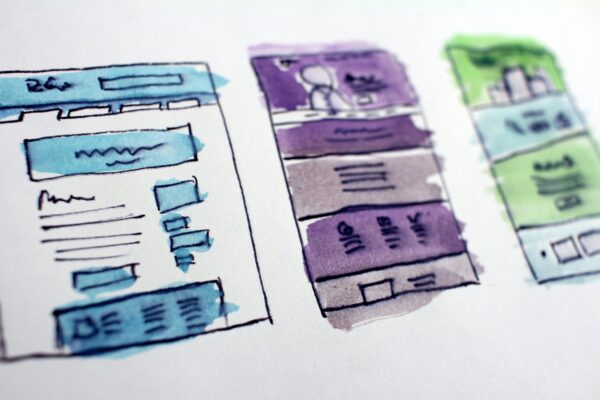
Select a layout that is visually appealing and suits your brand image. A clean and organized design will encourage readers to engage with your content. Consider using sections, columns, and eye-catching visuals to make your newsletter visually appealing.
Creating compelling content
The success of your newsletter depends on the content you provide. Make sure your content is relevant, valuable, and engaging to your target audience. Include industry trends, educational articles, product updates, and customer success stories. Use a friendly and conversational tone to connect with your readers.
Incorporating brand elements
Your newsletter should reflect your brand identity. Use your company logo, colors, fonts, and tone of voice consistently to reinforce brand recognition. Incorporating brand elements will help establish trust and familiarity with your audience.
Optimizing for mobile devices
With the increasing use of mobile devices, it’s crucial to optimize your newsletter for mobile users. Ensure your newsletter is mobile-responsive and displays correctly on different screen sizes. Use larger fonts, clear calls-to-action, and easy-to-click buttons for an optimal mobile experience.

3. Building a Subscriber List
Building a solid subscriber list is essential for a successful newsletter marketing strategy. Here are some effective ways to grow your subscriber base:
Using website opt-ins
Place opt-in forms on your website homepage and relevant pages to capture visitor’s email addresses. Offer a compelling reason for them to subscribe, such as exclusive content, discounts, or updates. Make the opt-in process simple and user-friendly.
Leveraging social media
Promote your newsletter on social media platforms where your target audience is active. Create engaging posts and incentivize people to subscribe. Direct traffic from social media to your website’s opt-in forms for seamless conversion.
Collecting customer information
When customers make a purchase or interact with your business, ask for their email addresses to add them to your subscriber list. Ensure you have their consent and provide a clear privacy policy that outlines how you will use their information.
Offering exclusive content incentives
To entice people to subscribe, offer exclusive content incentives such as e-books, whitepapers, or access to webinars. Make sure the content aligns with their interests and provides value. Promote these incentives on your website, social media, and other marketing channels.
4. Crafting Engaging Subject Lines
Subject lines play a crucial role in whether your newsletter gets opened or ignored. To increase open rates, consider the following strategies:
Keeping it concise
Aim for subject lines that are short, clear, and concise. Avoid long and complicated phrases that may confuse or overwhelm your readers. Use powerful and engaging words that spark curiosity or create a sense of urgency.
Using personalization
Personalized subject lines can make your newsletter appear more relevant and tailored to the individual reader. Include the recipient’s name or reference previous interactions to grab their attention. Personalization shows that you value your subscribers as individuals and not just a generic audience.
Creating a sense of urgency
Creating a sense of urgency can increase the likelihood of your newsletter being opened. Use words like “limited time offer” or “exclusive discount” to convey urgency and encourage immediate action. However, make sure to deliver on the urgency you create in your subject line.
Testing different approaches
To find what subject lines resonate best with your audience, conduct A/B testing. Test different approaches, such as humor, curiosity, or direct value propositions, and analyze the open rates. Use this data to refine your subject line strategy and improve engagement.
5. Segmenting the Audience
Not all subscribers have the same interests or preferences. By segmenting your audience, you can deliver more targeted and personalized content. Consider the following segmentation strategies:
Demographic segmentation
Divide your subscribers based on demographic characteristics such as age, gender, location, or occupation. This allows you to tailor your content and offers to specific groups and address their unique needs or interests.
Behavioral segmentation
Segment your audience based on their past behavior, such as purchase history, website interactions, or engagement with previous newsletters. This allows you to send targeted emails that align with their past actions and preferences.
Past engagement analysis
Analyze how subscribers have interacted with your previous newsletters. Identify their interests, preferences, and areas of engagement. Use this data to refine your content and provide more of what your subscribers find valuable.
Tailoring content for each segment
Once you have segmented your audience, create content specifically for each segment. Craft personalized messages that address their unique interests, challenges, or aspirations. Tailoring your content will increase relevance and engagement.
6. Timing and Frequency
Timing and frequency are critical aspects to consider when sending newsletters. Finding the optimal send time and avoiding frequency fatigue are crucial for maintaining engagement:
Determining the optimal send time
Test different send times to identify when your subscribers are most likely to open and engage with your newsletter. Consider sending your newsletter during weekdays and during non-working hours to increase visibility.
Considering customer preferences
Pay attention to your subscribers’ preferences by analyzing open rates and engagement metrics. Ask for feedback through surveys or polls to understand their preferred frequency and timing. By respecting your subscribers’ preferences, you can maintain their engagement.
Avoiding frequency fatigue
Sending newsletters too frequently can lead to email fatigue and potential unsubscribes. Strike a balance between staying in touch with your subscribers and not overwhelming their inbox. Quality and relevance of content matter more than frequency.
Testing different send schedules
Experiment with different send schedules to find what works best for your audience. Try sending newsletters at different intervals, such as weekly, bi-weekly, or monthly, and analyze the results. Tailor your send schedule based on your specific industry and audience preferences.

7. Analyzing Newsletter Performance
Analyzing the performance of your newsletters is crucial for continuous improvement and optimization. Here are key metrics to track and analyze:
Tracking open rates
Monitor the percentage of subscribers who open your newsletter. Low open rates may indicate that your subject lines aren’t capturing attention or that your content isn’t resonating. Experiment with different subject lines and make adjustments based on open rate data.
Monitoring click-through rates
Click-through rates measure the percentage of subscribers who click on links within your newsletter. This metric shows the effectiveness of your calls-to-action and content. Analyze which content or offers generate the highest click-through rates and refine your strategies accordingly.
Analyzing conversion rates
Conversion rates measure the percentage of subscribers who take a desired action after opening your newsletter, such as making a purchase or signing up for an event. Analyze the conversion rates to identify the effectiveness of your content, calls-to-action, and overall messaging.
Identifying areas for improvement
Regularly examine your newsletter metrics to identify areas for improvement. Look for patterns, trends, or discrepancies in the data. Use this information to refine your newsletter design, content, targeting, and delivery strategies.
8. Automating Newsletter Delivery
Automating your newsletter delivery can save time and ensure timely and relevant content is sent to your subscribers. Consider the following automation strategies:
Using email service providers
Email service providers (ESPs) offer tools and features for managing and automating your newsletter campaigns. Choose a reliable ESP that fits your needs and integrates with your CRM or website. These platforms provide scheduling, personalization, and tracking capabilities.
Setting up triggers and workflows
Create triggers and workflows to automate specific actions based on subscriber behavior or predefined criteria. For example, you can set up an automated welcome series for new subscribers or triggers for abandoned cart recovery. Automation enhances the customer journey and frees up your time.
Personalizing automated emails
Make your automated emails feel more personal by including dynamic content or personalized recommendations based on subscriber preferences or past interactions. Personalization increases relevance and engagement, making subscribers feel valued.
Ensuring timely and relevant content
Automation allows you to send newsletters at specific intervals or trigger-based events. Ensure your automated emails are timely and relevant to the subscriber’s current stage in the customer journey. Delivering the right content at the right time boosts engagement and conversions.
9. Integrating Social Sharing
Integrating social sharing features into your newsletter can amplify your reach and engagement. Consider the following strategies:
Including social media icons
Add social media icons to your newsletter template to make it easy for readers to share your content. Place these icons prominently in your newsletter, preferably in the header or footer. The more visible and accessible the icons are, the more likely readers will share your content.
Encouraging readers to share
Include a call-to-action encouraging readers to share your newsletter with their network. Highlight the benefits of sharing, such as useful content, exclusive offers, or expertise. Offer incentives like contests or giveaways to motivate sharing.
Tracking social engagement
Monitor social media engagement, such as likes, comments, or shares, from your newsletter. Analyze which content generates the most social engagement and adjust your future newsletter content accordingly. Social engagement indicates customer interest and amplifies your reach.
Leveraging user-generated content
Encourage readers to submit user-generated content related to your newsletter’s topic. This could include testimonials, success stories, or creative submissions. Incorporate this content into future newsletters to foster a sense of community and promote reader involvement.
10. A/B Testing and Optimization
To continually improve the effectiveness of your newsletter, implement A/B testing and optimization strategies:
Testing different layouts and designs
Experiment with different layouts, colors, fonts, and visuals to identify what resonates best with your audience. Test single-column versus multi-column layouts or different color schemes. Use A/B testing to compare the performance of different designs.
Experimenting with subject lines
Conduct A/B tests with different subject lines to determine which ones generate higher open rates. Test different lengths, tones, or techniques like personalization or intrigue. Analyze the results and adjust your subject line strategy accordingly.
Analyzing audience response
Pay attention to your audience’s response to different content types. Identify which topics, formats, or offers generate higher engagement and click-through rates. Leverage this insight to create more of what your audience wants.
Making data-driven improvements
Use data from your newsletter performance analysis to make data-driven improvements. Continuously refine your content, design, targeting, and delivery strategies based on the insights gained from testing and analysis.
In conclusion, creating a successful newsletter marketing strategy involves setting clear goals, designing visually appealing newsletters with compelling content, building a solid subscriber list, crafting engaging subject lines, segmenting your audience, timing and frequency considerations, analyzing performance, automating delivery, integrating social sharing, and utilizing A/B testing and optimization strategies. By following these comprehensive steps, your newsletter marketing strategy will thrive, driving customer engagement, loyalty, and ultimately, business growth.